Friday, September 27, 2013

Chapter 3 (Sustainability)

Chapter three has two main sections that I can talk about with Philadelphia. They are water and energy supply.
                                                                        
                                                                         Water

This chapter talks about how there is no life with out water and how freshwater is in short supply. For more than a century, the City of Philadelphia has been working to protect water resources through environmental planning and natural area set-asides. The greater Philadelphia area is heavily urbanized and older parts of the city are drained by an aging combined sewer infrastructure. The City has faced a number of water quality challenges in the last few decades as they have addressed various requirements of the Clean Water Act. An article called "A Cleaner Philly Starts In The Water" states, "Water utilities across the country are confronting new and complex environmental challenges while also trying to meet customer expectations and federal regulations for a safe and affordable water supply. Philadelphia has a rich history of innovation regarding water treatment" ( Ezra 1). In 1996, staff at the Philadelphia Water Department (PWD) undertook an effort, led by Howard Neukrug, to evaluate the infrastructure needs associated with controlling 16 billion gallons of combined sewer flows per year. PWD questioned whether, after expending the time and money necessary to implement conventional solutions, local waterways and streams would be healthy.


                                                                          Energy


In 2008, the Philadelphia government consumed 3.64 trillion Btus of energy at a total cost of $82.5 million. Greenworks Philadelphia’s target is to reduce consumption by 30 percent from this level by 2015. By making this happen will save the City an estimated $36.3 million in 2015. Retrofitting municipal buildings, creating target energy budgets for City departments and developing energy conservation education for City employees will help the City reach this target. Philadelphia has many goals they want to achieve to better energy source within a certain amount of years.


Source:

Ezra. "A Cleaner Philly Starts in the Water." The Energy Co-op. N.p., n.d. Web. 11 Oct. 2013.

www.google.com (Google images)

Chapter 2 (The Nonhuman World)


1) The first season is Fall which starts on September 23rd. This is when the weather cools down but is not too cold. The temperatures in fall are usually around 60-70 degrees. Fall season is very beautiful because it is when the trees blossoms. Every tree has leaves that are a different color.

2) The second season is Winter which starts on December 23rd. During winter season it gets really cold. The temperatures can drop to 10 degrees. One beautiful part about winter is the snow. Even though it is really cold and you have to wear layers of clothes to keep warm, the snow makes winter seem amazing.

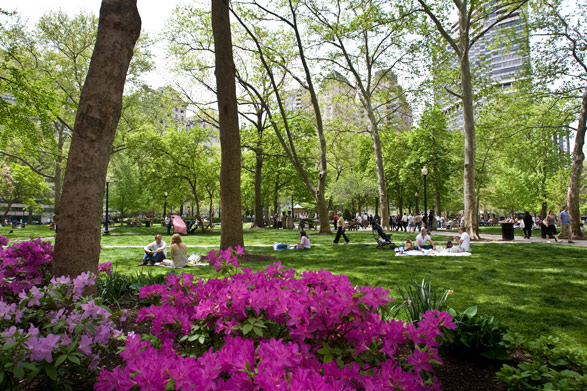
3) The third season is Spring which starts on March 21st. Everyone in Philadelphia loves spring because this is the one season that is actually warm. It is not too cold or not too hot.This is the time where families love going to parks and being out doors.


4) The fourth season is Summer which starts on June 21st. Summer in Philadelphia is not as pleasant as many people would think. This is when temperatures are above 100 degrees and the humidity is very bad. My summer experiences back home was not good because I was always sweating and it is very sticky. I did not enjoy humidity. There is always bad heat waves in Philadelphia. This makes people want to stay indoors near their air conditioners.


Source:

www.google.com (Google images)

Chapter 1 (Regions And Ecoregions)

They are:
1) Lehigh Valley
2) Southeast PA
3) Southwest PA
        4) Susquehanna Valley


Philadelphia also has many different regions within the neighborhoods. Below is a non-exhaustive list of Philadelphia neighborhoods, organized by the regional areas used by GeoHistory.org.            

 1) Center City: Downtown Philadelphia                               
    
2) North Philadelphia: A lot of subways and buses run in North Philadelphia
  

3) South Philadelphia: Where the best Philly cheesesteaks are to be made

4) West Philadelphia: This area uses trolleys instead of regular buses

5) The Northeast: There are two airports for Philadelphia. The one in the Northeast is very small.

6) Southwest Philadelphia: Philadelphia International Airport 


Source:

www.GeoHistory.org

www.google.com (Google images)